
"Burundi AA"
400 article(s) found

A brief description of the flavor and aroma characteristics of fine coffee beans in Arusha Coffee Manor with complex taste
Tanzania covers an area of 945087 square kilometers, of which Zanzibar is 2657 square kilometers. It consists of the mainland, Zanzibar and more than 20 small islands. Located in eastern Africa and south of the equator, the continent is bounded by the Indian Ocean to the east, Zambia, Malawi and Mozambique to the south, Rwanda, Burundi and the Democratic Republic of the Congo to the west, and Kenya and Uganda to the north. The coastline of the mainland is 840 kilometers long.

Introduction to the processing methods, taste and flavor of kirorero in Rwanda
Follower Cafe (official Wechat account vdailycom) found that the Beautiful Caf é opened its own shop in Rwanda, a sovereign country in central and eastern Africa, south of the equator and bordering Uganda, Tanzania, Burundi and the Democratic Republic of the Congo. Rwanda is located in the Great Lakes region with a high elevation and is geographically characterized by the mountains in the west and the savannahs in the east.

Major producing countries and their famous coffee bean producing areas
Latin America (Central and South America) Brazil: Santos, Bahia, Cerrado, Mogiana Mexico: Coatepec, Huatusco, Orizaba, Maragogype, Tapanchula, Huixtla, Plumakois
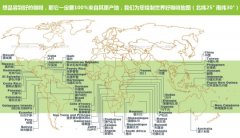
World-famous individual coffee beans and their origin
Latin American coffee beans (Central and South America) Brazil: Santos, Bahia, Cerrado, Mogiana Mexico: Coatepec, Huatusco, Orizaba, Maragogype, Tapanchula, Huixtla, Plumako
Major coffee-producing countries
Latin America (Central and South America) Brazil: Santos, Bahia, Cerrado, Mogiana Mexico: Coatepec, Huatusco, Orizaba, Maragogype, Tapanchula, Huixtla, Plumakois

The name of boutique coffee beans on behalf of countries with common sense.
Coffee fruits (Arabica) Brazil: Santos, Bahia, Cerrado, Mogiana Peru: Chanchmayo, Cuzco, Norte, Puno Democratic Republic of the Congo: Kivu, Ituri Rwanda: Kivu Kenya: Kenya AA

World famous coffee beans and their origin coffee common sense
Latin American coffee beans (Central and South America) Brazil: Santos, Bahia, Cerrado, Mogiana Mexico: Coatepec, Huatusco, Orizaba, Maragogype, Tapanchula, Huixtla, Plumaco

A brief introduction to the world-famous coffee beans and their producing areas
Latin American coffee beans (Central and South America) Brazil: Santos, Bahia, Cerrado, Mogiana Mexico: Coatepec, Huatusco, Orizaba, Maragogype, Tapanchula, Huixtla, Plumako
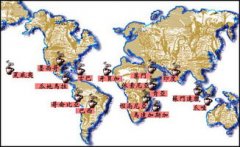
Coffee production in various countries of the world
Latin America Brazil: Santos, Bahia, Cerrado, Mogiana Mexico: Coatepec, Huatusco, Orizaba, Maragogype, Tapanchula, Huixtla, Pluma Coi
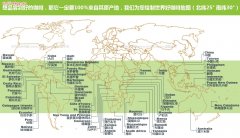
Introduction of well-known individual coffee beans and their origin in the world
Latin American coffee beans (Central and South America) Brazil: Santos, Bahia, Cerrado, Mogiana Mexico: Coatepec, Huatusco, Orizaba, Maragogype, Tapanchula, Huixtla, Plumako
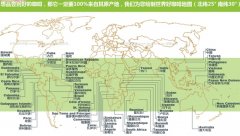
World-famous coffee beans and their origin
Latin American coffee beans (Central and South America) Brazil: Santos, Bahia, Cerrado, Mogiana Mexico: Coatepec, Huatusco, Orizaba, Maragogype, Tapanchula, Huixtla, Plumako
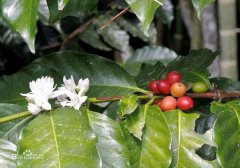
What are the boutique coffee producing areas in Africa?
The best way to harvest high-quality coffee beans is to harvest them manually. That is, only mature coffee fruits are picked to prevent coffee fruits with inconsistent maturity from being picked at the same time. Because those unripe and overripe fruits will affect the balance and stability of coffee taste, boutique coffee needs to be picked frequently and carefully during harvest. African Coffee beans Democratic Party of the Congo
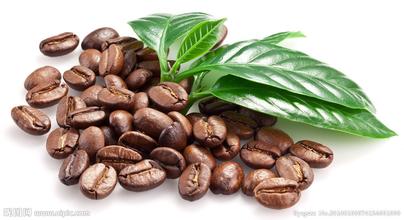
How many kinds of coffee beans are there? what are the African beans?
Kenya: Kenya AA India: Malabar, Karnataka, Tellichery Yemen: Mocha Sanani, Mattari Indonesia: Java, Mandheling, Ankola, civet Coffee Mexico: Coatepec

Coffee beans suitable for hand brewing What coffee beans are used for hand brewing Kilimanjaro Coffee Tanzania AA
Professional coffee knowledge exchange More coffee bean information Please pay attention to coffee workshop (Weixin Official Accounts cafe_style) More coffee beans suitable for hand brewing Recommended name: Kilimanjaro coffee AA (Kilimanjaro AA) Country: Tanzania Production area: Kilimanjaro coffee Kilimanjaro grade: AA Processing method: Washing variety: Arabica Tanzania coffee

Coffee origin world-famous individual coffee beans and their origin
Latin American coffee beans (Central and South America) Brazil: Santos, Bahia, Cerrado, Mogiana Mexico: Coatepec, Huatusco, Orizaba, Maragogype, Tapanchula, Huixtla, Plumako

Coffee common sense world-famous coffee beans and their origin
Latin American coffee beans (Central and South America) Brazil: Santos, Bahia, Cerrado, Mogiana Mexico: Coatepec, Huatusco, Orizaba, Maragogype, Tapanchula, Huixtla, Plumako
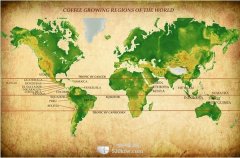
Introduction of major producing countries and their famous coffee bean producing areas
Latin America (Central and South America) Brazil: Santos, Bahia, Cerrado, Mogiana Mexico: Coatepec, Huatusco, Orizaba, Maragogype, Tapanchula, Huixtla, Plumakois
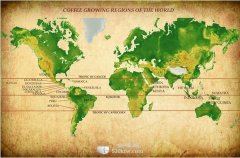
Major coffee producing countries in the world and their famous coffee bean producing areas
Latin America (Central and South America) Brazil: Santos, Bahia, Cerrado, Mogiana Mexico: Coatepec, Huatusco, Orizaba, Maragogype, Tapanchula, Huixtla, Plumakois

Description of characteristics and Flavor of Burundian Coffee beans introduction to the name of Grinding Manor
Burundian Coffee Bean production country: Burundian Grade: AA,FWS planting area: Buyendi Brand: Buyendi treatment method: wet treatment appearance: 1ddeband 300grGramy 16-18SCR Variety: Jackson bourbon Note: due to ethnic separatism, the chaos of Burundian coffee has been going on for a long time, with a large number of raw beans mixed with the old and new, making this coffee.

Types of coffee beans History Coffee Raw Bean Market
Types of coffee beans World Coffee production Brazil Coffee Fruit (Arabica) Coffee on the market are mainly Coffee Arabica, Coffee Robusta and Coffee Liberica. Each of them can be subdivided into more variety branches. The origin of coffee beans and most of the coffee beans in circulation in the market